
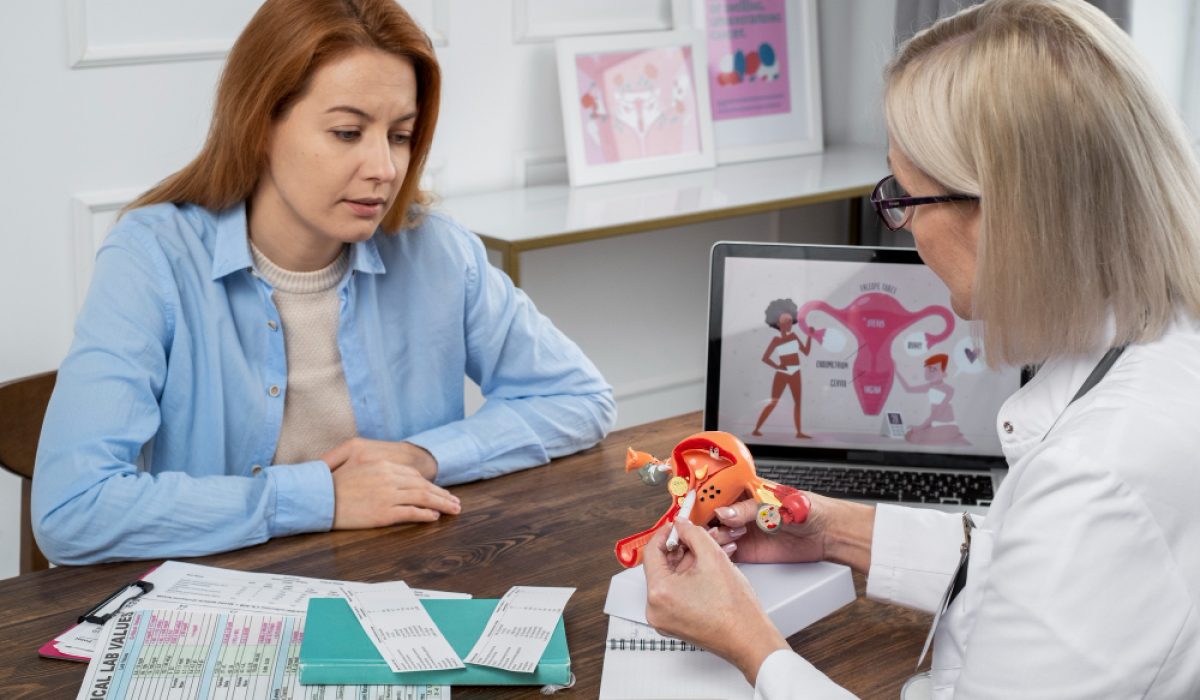
Cervical cancer is a serious health issue that affects many women worldwide. It starts in the cervix, which is the lower part of the uterus. Early detection of cervical cancer can save lives. Because of this, knowing the symptoms, causes, and ways to prevent it is important. In this blog, you will learn about cervical cancer, its warning signs, risk factors, diagnosis, treatment options, and prevention tips.
What is Cervical Cancer?
Cervical cancer happens when cells in the cervix grow in an abnormal way. Over time, these cells can form a tumor. If not treated, the cancer can spread to other parts of the body. Most cases of cervical cancer are linked to a virus called human papillomavirus (HPV). However, not all women with HPV will get cervical cancer. Regular screening can help find changes in the cervix early, before cancer develops.
Symptoms of Cervical Cancer
In the early stages, cervical cancer may not cause any symptoms. As the disease grows, some signs may appear. It is important to watch for these symptoms and talk to a doctor if you notice them. Common symptoms include:
Sometimes, these symptoms can be caused by other health problems. Still, it is best to get checked by a healthcare provider if you notice any of them.
Causes and Risk Factors
Most cervical cancers are caused by long-term infection with certain types of HPV. But, other factors can increase your risk. These include:
Even though HPV is common, most infections go away on their own. But, in some cases, the virus can cause changes in the cervix that may lead to cancer over time.
How Cervical Cancer is Diagnosed
Early diagnosis is key to successful treatment. Doctors use several tests to find cervical cancer. These include:
Regular screening helps find changes early, often before cancer develops. The Centers for Disease Control and Prevention (CDC) and World Health Organization (WHO) recommend regular screening for women starting at age 21.
Treatment Options for Cervical Cancer
Treatment depends on the stage of the cancer and your overall health. Common treatments include:
Sometimes, doctors use more than one type of treatment. Early-stage cervical cancer is often easier to treat. Because of this, regular screening is very important.
Prevention and Lifestyle Tips
There are several ways to lower your risk of cervical cancer. Here are some helpful tips:
By following these steps, you can help protect yourself from cervical cancer. Early action makes a big difference.
Conclusion
Cervical cancer can be prevented and treated if found early. Knowing the symptoms, risk factors, and ways to protect yourself is important. If you have questions or notice any warning signs, consult a healthcare specialist for personalized advice on cervical cancer.